Rechercher dans ce blog

Tuesday, June 29, 2021

Grape harvesting in Egypt - in pictures - The National

ersa.indah.link

A worker harvests grapes at a farm in Khatatba Al Minufiyah Governorate in Egypt, north of Cairo. Table grapes are exported to EU countries, mainly Germany and the Netherlands. EPA

Workers harvest grapes at a farm in Khatatba Al Minufiyah Governorate in Egypt, north of Cairo. Table grapes are exported to EU countries, mainly Germany and the Netherlands. EPA

Workers harvest grapes at a farm in Khatatba Al Minufiyah Governorate in Egypt, north of Cairo. Table grapes are exported to EU countries, mainly Germany and the Netherlands. EPA

Workers harvest grapes at a farm in Khatatba Al Minufiyah Governorate in Egypt, north of Cairo. Table grapes are exported to EU countries, mainly Germany and the Netherlands. EPA

Workers collect grapes at a farm in Khatatba Al Minufiyah Governorate in Egypt, north of Cairo. Table grapes are exported to EU countries, mainly Germany and the Netherlands. EPA

A worker harvests grapes at a farm in Khatatba Al Minufiyah, Egypt. EPA

A worker harvests grapes at a farm in Khatatba Al Minufiyah Governorate in Egypt, north of Cairo. Table grapes are exported to EU countries, mainly Germany and the Netherlands. EPA

A worker harvests grapes at a farm in Khatatba Al Minufiyah, Egypt. EPA

A worker harvests grapes at a farm in Khatatba Al Minufiyah Governorate in Egypt, north of Cairo. Table grapes are exported to EU countries, mainly Germany and the Netherlands. EPA

A worker harvests grapes at a farm in Khatatba Al Minufiyah, Egypt. EPA

A worker harvests grapes at a farm in Khatatba Al Minufiyah Governorate in Egypt, north of Cairo. Table grapes are exported to EU countries, mainly Germany and the Netherlands. EPA

The Link Lonk


June 29, 2021 at 04:10PM
https://ift.tt/3x3sOvO

Grape harvesting in Egypt - in pictures - The National

https://ift.tt/3eO3jWb
Grape

Monday, June 28, 2021

SD Corn, Soybeans Among Worst In Country As Drought Continues - South Dakota Public Broadcasting

ersa.indah.link

South Dakota’s corn and soybean crop conditions are worsening as this year’s drought intensifies.

That’s according to crop progress reports compiled by the United States Department of Agriculture.

The bulk of the state’s corn and soybeans are in fair to poor condition.

Scott VanderWal is president of the South Dakota Farm Bureau. He says he’s never seen conditions this dry this early.

“We’re seeing corn curling up and it’s only waste high or a little more,” VanderWal says. “Obviously it hasn’t pollinated. When corn is at that stage it’s already set the number of rows of kernels that will be on the cob, for the most part. It was under pretty good stress when that happened, so that may not be good.”

That could have a negative effect on yields, even if the state receives rain. Regardless, VanderWal says the state is in desperate need of moisture.

Of the 18 states that produce the bulk of the country’s corn, South Dakota is faring the worst. The state’s soybeans are performing slightly better than North Dakota, which is worst in the nation.

South Dakota had a drier-than-normal spring. Ninety percent of the state is in some form of drought.

The Link Lonk


June 29, 2021 at 05:28AM
https://ift.tt/3AaEnmL

SD Corn, Soybeans Among Worst In Country As Drought Continues - South Dakota Public Broadcasting

https://ift.tt/3gguREe
Corn

Wine Press - Grenache Blanc wines worth getting to know - MassLive.com

ersa.indah.link

Certain wine grapes get all the attention.

Chardonnay, Pinot Noir and Cabernet Sauvignon – they’re the Justin Bieber and Leonardo Dicaprios of the wine world.

But if you dig a little deeper, there are many other wonderful wines out there.

Malbec and Carmenere come to mind when you think of great, lesser-known red wine grapes.

Gewurztraminer and Gruner Veltliner are great examples when it comes to under-the-radar white wine grapes.

You can another one to the list – Grenache Blanc.

I recently had an outstanding one from California’s Napa Valley.

And for fans of dry, understated white wines, you’re in for a real treat if don’t already know about this white wine grape that tastes like the love child of a Sauvignon Blanc and a Pinot Grigio.

You can read more about this grape and the wine that sparked this column below. Hope you enjoy.

WINE RECOMMENDED THIS WEEK

2019 Priest Ranch Grenache Blanc (Suggested Retail Price $22, available for sale directly from the winery)

MORE ABOUT GRENACHE BLANC

Grenache Blanc is the white wine version of the wildly popular Grenache grape. Blanc means “white” in French. And to make things even slightly more confusing, Grenache is called Garnacha in Spain, but it’s the exact same grape. Winemakers have been making wine using Grenache, or rather Garnacha grapes in this particular case, in Spain for hundreds of years. Nowadays, you can find Grenache Blanc wines made throughout the world.

In many cases, many winemakers blend Grenache Blanc with other grapes to make a wide range of wines. However, this versatile grape tastes great all on its own, judging from this week’s outstanding white wine.

GRENACHE BLANC WINE GROWING REGIONS

The two most common places where you will find wines made with Grenache Blanc grapes are Spain and France. In particular, these white wine grapes are often found in France’s Roussillion region (more than 12,000 acres of Grenache Blanc grapes grow there) along with the Southern Rhone region, where Grenache Blanc grapes are often blended to make white Chateauneuf-Du-Pape wines.

In Spain, the most popular Grenache Blanc growing areas include Catalunya and Aragon, along with Priorat, Rioja and several other wine growing regions in Spain. Other countries where you can find Grenache Blanc wines include the United States (especially in California’s Santa Ynez Valley), Croatia (where the wine is called Belan) and the Republic of Macedonia, according to the outstanding book, “Wine Grapes,” by Jancis Robinson, Julia Harding and Jose Vouillamoz.

WINE TASTING NOTES

2019 Priest Ranch Grenache Blanc

Region – Napa Valley, California

Tasting Notes – One of the great joys of drinking wine from around the world is discovering something different and exciting. But it’s rare to find something new from one of the most recognizable wine growing regions in the world. That’s why I was so pleased to taste this delightful Grenache Blanc from California’s Napa Valley.

As I explained above, this dry, refreshing wine tastes like the perfect blend of Sauvignon Blanc and Pinot Grigio grapes. There’s a slight tartness to the wine along with a dash of crisp, grassy undertones. The wine also has a subtle green apple and mineral-like taste and aroma, but nothing overpowering, nothing in your face. Just a welcome, inviting change to California’s wonderful white wines. It’s also a great introduction to the amazing possibilities for this versatile, lesser-known grape.

Cheers!

Wine Press by Ken Ross appears on Masslive.com every Monday and in The Republican’s weekend section every Thursday.

(Older “Wine Press” articles can be found here.)

Follow Ken Ross on Twitter and Instagram and Facebook.

The Link Lonk


June 29, 2021 at 01:03AM
https://ift.tt/2UbPr2M

Wine Press - Grenache Blanc wines worth getting to know - MassLive.com

https://ift.tt/3eO3jWb
Grape

Ferrie: Downed Corn and Still Need to Apply N? Consider Your Options - Agweb Powered by Farm Journal

ersa.indah.link
[unable to retrieve full-text content]Ferrie: Downed Corn and Still Need to Apply N? Consider Your Options  Agweb Powered by Farm Journal The Link Lonk


June 28, 2021 at 11:20PM
https://ift.tt/2Ua9WfY

Ferrie: Downed Corn and Still Need to Apply N? Consider Your Options - Agweb Powered by Farm Journal

https://ift.tt/3gguREe
Corn

Much needed rain arrives for parts of the Corn Belt - Successful Farming

ersa.indah.link

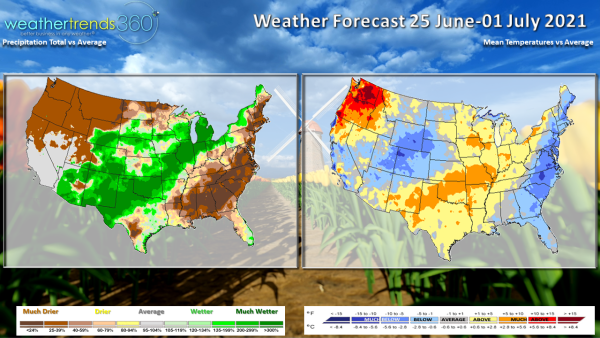
Hot and dry weather dominated the Corn Belt through much of June 2021, but the final week of the month brings some relief from the dry conditions, at least for parts of the region. Meanwhile, a historic heatwave in the final weekend of June melts the region with widespread triple-digit heat. Hot and dry weather will scorch Oregon and Washington where spring wheat conditions are already in rather poor condition.

June 2021, through June 24, has been one of the hottest and driest of the past 30 years in the Corn Belt, according to data from WeatherTrends360. However, the final week of the month brings relief to parts of the Corn Belt as rains finally arrive. A stalled cold front brought heavy showers and storms primarily from the Central Plains to the Great Lakes in the last weekend of June 2021. Chances of showers and thunderstorms will continue through the final days of the month.

Despite all the good news surrounding the recent rains, too much rain at once can cause harm. Flash flooding broke out in the final weekend of June as heavy rains dumped several inches of rain across the Central Plains, Midwest, and Great Lakes. Additionally, severe storms that brought hail and strong winds caused damage to some crop fields including in parts of Iowa, eastern Nebraska, and northern Missouri. While the rainfall is much needed, smaller and more persistent doses would be preferred to a violent and heavy dumping of precipitation at one time.

While rains arrived in parts of the Corn Belt in the final week of June, some areas remained on the drier side. This includes areas that have to date seen some of the worst drought conditions so far this season, like North Dakota and Minnesota, according to data from WeatherTrends360. Additionally, this area is favored for above-normal temperatures through the week-ending July 1, 2021, which will help to deplete soil moisture rapidly.

wt36062821

While the Corn Belt deals with its own drought challenges, the drought-ridden Pacific Northwest is enduring one of the hottest spells of weather on record here in late June. WeatherTrends360 forecasts that exceptionally hot and dry weather will stick around through much of the week ending July 1, which will be among the hottest and driest on record for the Pacific Northwest. This spell of hot and dry weather will do little to help the spring wheat crop in Washington state where more than half of the crop was rated in poor to very poor condition as of the week ending June 20, 2021.

LEARN MORE

wt360logo

Be proactive to weather, not reactive. The Weathertrends360 FarmCast offers a long-range forecast up to 365 days in advance. Our statistical, 24 climate cycle, based forecasting model is 85% accurate a year out – better than most companies’ week 2 forecast.  Learn more about how a $369 annual fee for FarmCast may be the best investment you make all year.

The Link Lonk


June 28, 2021 at 11:08PM
https://ift.tt/3dp8kG5

Much needed rain arrives for parts of the Corn Belt - Successful Farming

https://ift.tt/3gguREe
Corn

The best way to cook corn this summer is in your microwave - San Antonio Express-News

ersa.indah.link

Summer and corn go hand-in-hand, but when it’s 100 degrees outside, who really wants to boil a giant kettle of water or fire up the grill every time a hankering for that crunchy sweetness strikes?

A microwave oven is the fastest and easiest way to prepare corn, and it delivers remarkably fresh and flavorful results every time.

Microwaves have a gotten a bad rap over the years, but there are significant benefits to using them for many vegetables. Some of the nutrients in veggies break down when exposed to intense heat, or can leach out into water when boiled. A microwave’s quick, gentle and relatively dry cooking environment can help retain more of a vegetable’s nutritional value — not to mention give you more perfectly cooked results.

Microwaving corn couldn’t be easier.

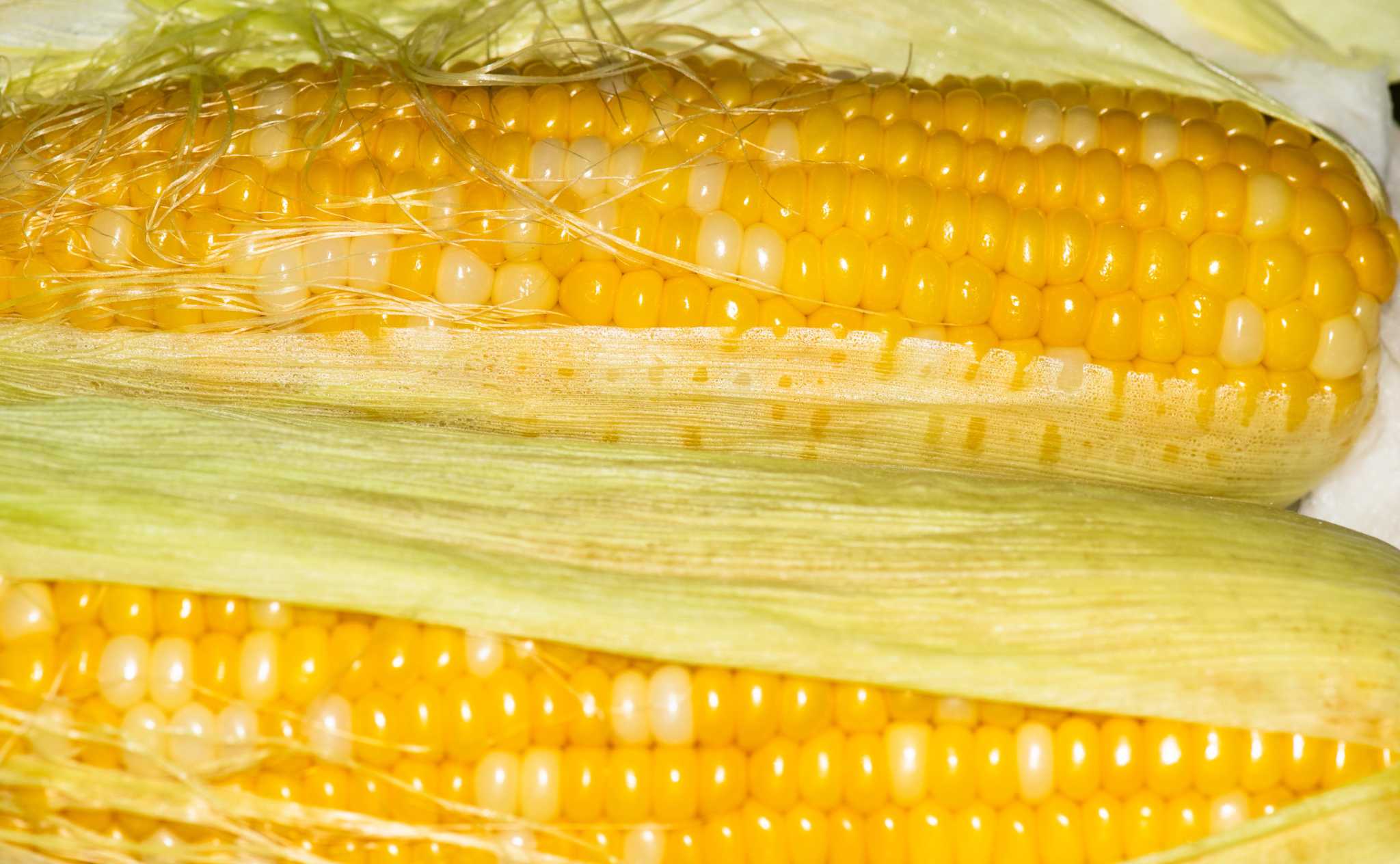
For starters, leave the ears of corn in their husks, which will help retain moisture and let the corn gently steam while cooking. Wrap the ears of corn in a damp kitchen towel and place them on a plate. If you’re only cooking an ear or two, three minutes on high power will do the trick. Add a minute for three or four ears. Cook the corn in batches if you need to prepare more than four ears.

Note: every microwave is a little bit different, so you may find you need to add or subtract time depending on how well you like your corn cooked.

When the time is up, let the corn rest on the counter, still swaddled in its towel, until you can handle it without burning your fingers. You’ll find the husks and silks both very easy to remove, and the kernels inside will still be plump and full of juice, unlike the shriveled and withered kernels that can easily happen by accidentally overcooking in a pot of water or on a grill.

By cooking the ears first, the individual kernels will be easier to cut off more-or-less intact and retain more of their sweet nectar. You can then give them a quick sear in a skillet for a batch of Mexican street corn (esquites), chill them for use in a summery corn salad or nearly any other application calling for whole corn kernels.

Plenty of other vegetables are a breeze to cook in a microwave. Here are a few of the best candidates.

  Broccoli: Place 8 ounces of florets in a bowl with 3 tablespoons of water, cover the bowl with a plate and cook on high for two to three minutes.

  Carrots: Place 8 ounces sliced carrots in a bowl with 2 tablespoons of water, cover with a plate and cook on high for three minutes.

  Frozen peas: Place 8 ounces of peas in a bowl with 1 tablespoon of water. Cover with a paper towel and cook on high for three to four minutes.

  Potatoes: For a fast baked potato, prick a potato several times with a fork. Cook it on high for 5 minutes, flip it over and cook an additional three to five minutes.

  Zucchini: Place 8 ounces of cut zucchini in a bowl with 1 tablespoon of water, cover with a plate and cook on high for three to four minutes.

There is an easy, tried-and-true way to strip all those kernels off the cob, as well, and it involves a Bundt pan.

Whether the ears are raw or cooked, place the tip of the ear in the small hole in the center of the pan. Now, carefully run a sharp knife down the cob. The pan will tidily collect all the kernels, unlike the stray bits of corn that get shot off into the darkest corners of the kitchen when slicing over a cutting board.

pstephen@express-news.net | Twitter: @pjbites | Instagram: @pjstephen

The Link Lonk


June 28, 2021 at 10:30PM
https://ift.tt/3gYrYLc

The best way to cook corn this summer is in your microwave - San Antonio Express-News

https://ift.tt/3gguREe
Corn

Frosts seen hurting Brazil corn; smaller risk for sugar cane, coffee - Successful Farming

ersa.indah.link

By Roberto Samora

SAO PAULO, June 28 (Reuters) - A strong polar air mass moving through the South and Southeast areas in Brazil this week will probably damage fields of corn, but the risk is smaller for problems in areas of sugar cane and coffee, analysts and weather centers said on Monday.

There is forecast of frosts happening from Tuesday to Thursday in most regions in the state of Parana -- Brazil's 2nd largest grain producer -- in parts of Mato Grosso do Sul and in the southern part of Sao Paulo state, the country's number 1 sugar cane grower.

Parana's weather agency Simepar says basically all areas in the state will see frosts in the next days. Meteorologists Rural Clima said neighboring Paraguay will also see frosts that could impact its corn.

"The situation is complicated for the 2nd corn crop in the west and south of Parana, in the Mato Grosso do Sul state and in Paraguay," said Rural Clima's meteorologist Marco Antonio dos Santos.

"Frosts could also hit some sugar cane and coffee areas in the northern part of Parana and in the southern part of Sao Paulo," he added. Those areas, however, account for a very small part of Brazil's coffee and sugar production.

Rural Clima and also Somar Meteorologia see a low risk of frosts hitting the main coffee areas in Minas Gerais, as well as the largest sugar cane fields in the northern part of Sao Paulo.

For corn, the damage could be certain since many fields were planted later than usual, a result of delays on the soybean crop, and are still in the stage when cold weather could be harmful.

The Brazilian second corn crop, or winter corn, has already lost potential yield due to a long dry spell this year, so the frosts would further reduce the production. (Reporting by Roberto Samora; additional reporting and writing by Marcelo Teixeira in New York; Editing by Aurora Ellis)

© Copyright Thomson Reuters 2021. Click For Restrictions - http://about.reuters.com/fulllegal.asp

The Link Lonk


June 29, 2021 at 12:45AM
https://ift.tt/3hi0P4L

Frosts seen hurting Brazil corn; smaller risk for sugar cane, coffee - Successful Farming

https://ift.tt/3gguREe
Corn

Featured Post

Dry conditions decrease Brazilian corn production estimate - World Grain

ersa.indah.link BRASILIA, BRAZIL — Delayed planting and continued dry conditions has dropped Brazil’s estimated corn production 11 million...

Popular Posts