Rechercher dans ce blog

Thursday, October 1, 2020

USDA Adjusts Corn Inventories Downward; Says Corn Demand Near Record Last Quarter - Forbes

ersa.indah.link

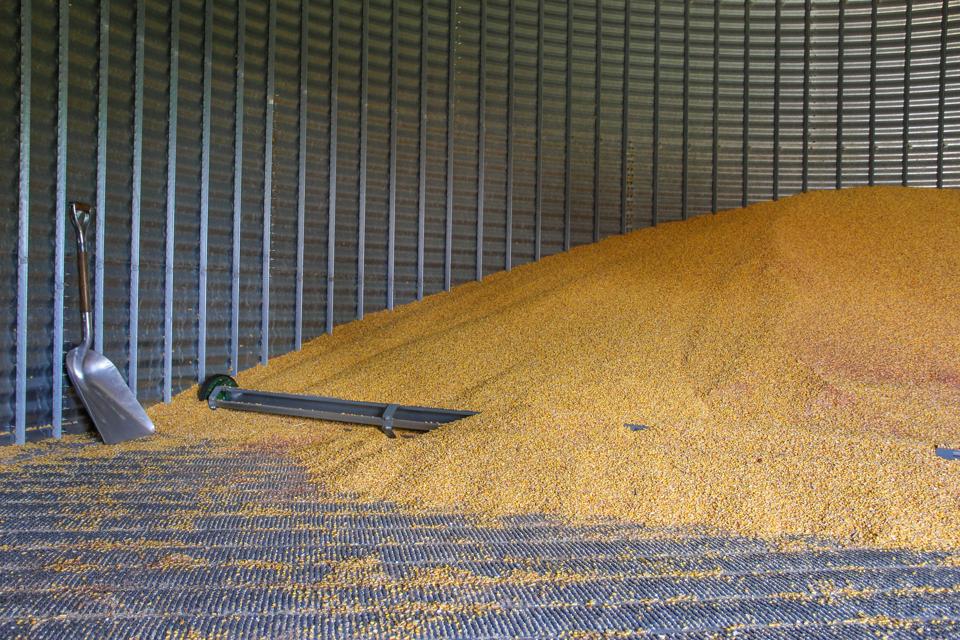
Surprise readjustment puts September 1 corn inventories down more than ten percent versus 2019 with June through August three month “disappearance” at a near record 3.02 billion bushels.
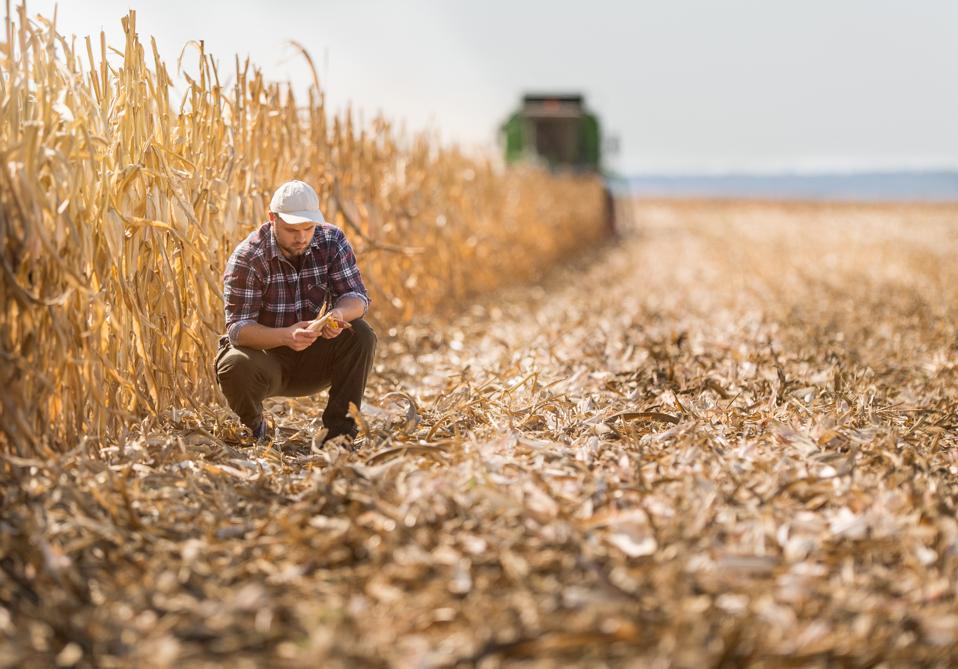
Inventories of the largest US agricultural crop were officially revised downward in a once annual government report widely watched by traders and farmers.

Known in the trade as the “September Grain Stocks” report, the publication is relied upon by analysts because it sets the official benchmark for grain inventories in the United States as of September 1, the start of the new marketing year for big grains like corn and soybeans. It is released on September 30 each year by the National Agricultural Statistics Service (NASS), the Agricultural Statistics Board, and the United States Department of Agriculture (USDA).

Recommended For You

Yesterday’s numbers shocked the corn markets by showing an unanticipated decline of 226 million bushels of corn from September 1, 2019 to September 1, 2020. Most analysts had predicted that US corn inventories would have been around 2.250 billion bushels at the beginning of September, but the government pegged the official number at 1.995 billion bushels. Corn futures markets reacted instantly, with most corn futures contracts higher by around three percent.

Importantly, it was not simply the decline in inventories that garnered the attention of corn watchers. Usually when inventories decline significantly it is because of a supply problem, but in fact the USDA showed a minimal rise in corn production, which means corn usage was higher. In fact, the “disappearance” number, that is to say the amount of corn used by animal feeders, ethanol producers, food, seed, and industrial users, and by exporters, was the second highest ever recorded for any prior 3 month period at 3.02 billion bushels. That means almost more US corn is being used than ever before, and it’s happening in a COVID inhibited economy.

This is a very big deal because the US is the world’s largest producer of corn. The world’s second largest producer, China, has already committed to import more corn than ever in its history in the current crop year, because of a range of production problems that have hit China hard this summer.

A full breakdown of what specific sectors are estimated to have used all that corn is laid out monthly in the government’s World Agricultural Supply and Demand Estimates report (WASDE), the next of which will be released October 9, 2020. This next WASDE will be watched closely by traders around the world because suddenly the world’s corn balance sheet may have shifted from a healthy (some would say excess) surplus to one that is perhaps not so robust.

The eight year period during which corn prices either declined or moved sideways due to perfect growing conditions and plenty of corn supplies may be coming to a close. Time and more information as the harvest season progresses may provide some clues as to the future of perhaps the world’s most important agricultural crop.

The Link Lonk


October 01, 2020 at 11:55PM
https://ift.tt/3l2kfLp

USDA Adjusts Corn Inventories Downward; Says Corn Demand Near Record Last Quarter - Forbes

https://ift.tt/3gguREe
Corn

Demand for processed tomatoes exceeds supply - FreshPlaza.com

ersa.indah.link

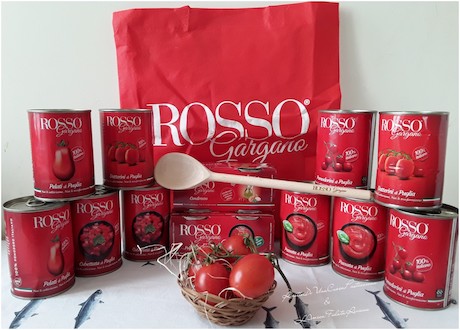
The future of the tomato industry after the pandemic will be characterized by a change in the price of the finished products. The current sales campaign is coming to an end, and industrial costs are higher also due to the lower yields.

The real problem will be meeting the demand from the retail channel, considering that demand exceeds the quantities of product available.

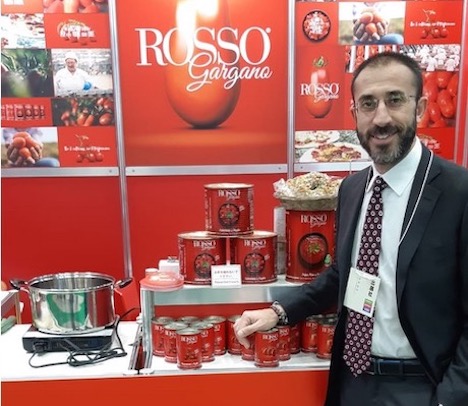
In the photo: Giuseppe Stasi.

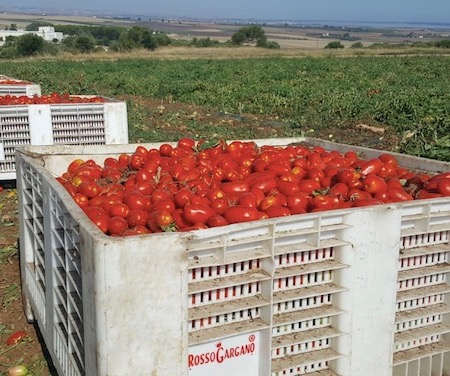
"This year, the industry tomato campaign in Puglia was characterized by aspects that were hard to predict caused by the pandemic during the initial transplant phase. There was a delay in transplants, so the entire production calendar was shifted, then there were water supply problems and a loss of produce due to the rain and hail in early August. Yields per hectare were halved. This means demand will exceed supply," explains Giuseppe Stasi, sales manager at Rosso Gargano.

Rosso Gargano operates in 55 countries worldwide with high-quality products grown on its own land. The brand combines the company's agricultural and industrial souls. High quality is guaranteed by the short chain. What is more, Italian certified products are increasingly demanded abroad, especially oblong tomatoes from the Capitanata area. 

The company was established in 2005 by four producers who decided join forces and created their own brand - Rosso Gargano - in 2008. 

The company processes Docet and SV5197TP oblong tomatoes. It produces around 90thousand tons, exported to Japan in particular, which absorbs 30% of the produce shipped abroad.

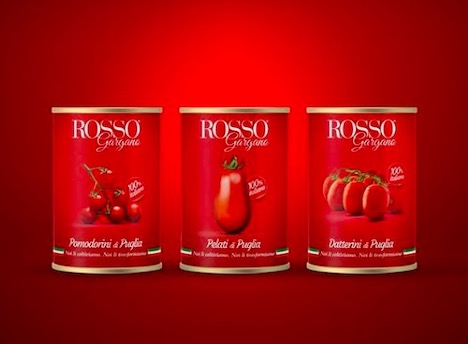
The range includes products such as tomato sauces (Pelati di Puglia Salsati and Pelati di Puglia Salsati con Basilico) plus cherry, plum and diced tomatoes.

"In 2020 we introduced the classic tomato sauce in 400 gr tins and in glass jars. We have also worked on cluster solutions containing two 400gr packets. This solution preserves the organoleptic qualities of the product while reducing waste. Over the next few months, we are hoping to introduce our ready-made Mediterranean sauces."

Contacts
Rosso Gargano
Loc. Incoronata (FG) Italy
71122 Foggia - Italy
Tel. +39 0881 680166
Cell.: +39 389 6832206
Email: giuseppe.stasi@rossogargano.com 
Website: www.rossogargano.com

The Link Lonk


October 01, 2020 at 06:56PM
https://ift.tt/3cNHMwI

Demand for processed tomatoes exceeds supply - FreshPlaza.com

https://ift.tt/2VAxJ6V
Tomato

Huge tomato greenhouses nearing completion in Norwich - hortidaily.com

ersa.indah.link

A huge tomato greenhouse is nearing completion outside Norwich – part of a £120m project using more glass than The Shard skyscraper in London.

The 'world-first' low-carbon farming project on the Crown Point Estate at Kirby Bedon is due to enter its 'testing and commissioning' phase this autumn, said project managers.

Along with a similar development near Bury St Edmunds in Suffolk, the combined project could supply an estimated 10pc of the UK’s tomato crop using a hydroponic vertical growing system.

The scheme is also using the UK’s largest system of heat pumps to distribute natural energy which the developers claim will cut the carbon emissions associated with growing tomatoes by as much as 75pc.

Read more at Eastern Daily Press.

The Link Lonk


October 01, 2020 at 07:15PM
https://ift.tt/30lMVXO

Huge tomato greenhouses nearing completion in Norwich - hortidaily.com

https://ift.tt/2VAxJ6V
Tomato

Grape molasses making process defies challenges in Aleppo countryside - Enab Baladi

ersa.indah.link

Enab Baladi – Abdul Salam Majan

With the early morning hours, Hajj Mohammed Ali Othman, a resident of Dodyan village of northern Aleppo countryside, starts his day working in the antique grapes press, which he owns.

Hajj Mohammed told Enab Baladi that his antique press still has its old tools used to make grape molasses, or what is known locally as “the honey of the poor.”

The making of the grape molasses is considered one of the age-old inherited industries over generations in northern Aleppo, due to the existence of vast areas of lands with grapevines there.

Besides, grape molasses is a famous popular food because of its sweet taste and high nutritional value.

The grape molasses making season extends from September to the first days of October of every year, which is also the grapes harvesting season.

According to Hajj Mohammed, Dodyan is one of the oldest and most famous villages in the grape molasses making profession. The village has a large number of grape presses, but currently, it has only two working presses, one of which belongs to Hajj Mohammed and has an age of more than one hundred years.

Harvesting, pressing, then cooking… stages of making grape molasses

The making of grape molasses goes through several stages, starting with harvesting the vineyards and transporting the crops to the grape press.

The grapes are pressed by an antique pressing tool, then the grapes’ juice of the pressing process is moved for filtration. After that, the filtered grape juice is transferred through tubes into a big pot for cooking.

The extracted grape juice is cooked in boiling containers powered by diesel. Finally, the thick syrup is moved from the containers to different sized bottles depending on the marketing need or the product’s preservation method.

Soaring prices and limited grapes cultivation… challenges facing grape molasses making

The grape molasses making process faces several challenges, including high prices, as every kilo of grape molasses needs fuel worth 1,000 Syrian pounds (SYP = 0.442 US cents); therefore, the high price of fuel leads to the rise in the price of the molasses, according to Hajj Mohammed.

The making process of grape molasses also suffers from the failure of marketing products in the region, which is blocked in conjunction with the closure of border crossings preventing entrance and exiting from them, especially after the preventive measures of the novel Coronavirus (COVID-19) pandemic.

This year, the grape molasses prices increased significantly, as the price of one kilo reached about 4,000 SYP (1.85 USD), at the exchange rate of 1 USD = 2,160 Syrian pounds, while in 2019, its price was 1300 SYP (0.60 US cents).

The decline in grape cultivation has led to a decrease in grape molasses production, as the vineyards areas reduced significantly in recent years.

This decline in grape cultivation is due to several reasons, according to agricultural engineer Riyad al-Jaddou, who said to Enab Baladi that in the past ten years, farmers have been heading toward crops with good economic returns at the expense of grape cultivation.

Al-Jaddou said, sometimes, the grapevines were uprooted and replaced with pistachio trees because they give greater returns or persimmon trees as in the north-western Harem area in Idlib, which was famous for grapes cultivation.

Besides, seedlings of grapevines grafted with phylloxera pest-resistance varieties, the biggest illness affecting grapevines, are not available, which causes large areas to be outside production.

According to al-Jaddou, grape grafting was done with anti-phylloxera pest French seeds.

Most of the region’s vineyards depend on rainfalls, for they are non-irrigated lands, and the decline in the rainfall in recent years has caused a decline in the productivity of the vineyards.

As for the irrigated fields, their production also decreased due to the high cost and sometimes low availability of fuels, in addition to the soaring prices of pesticides and fertilizers used in the vineyards.

The grapevine production rate had declined significantly, as it produced years before 45 kilograms of grapes, while one-dunum of about 60 grapevines produced almost three tons.

Currently, the production of one donum of grapevines is no more than one ton and 750 kilograms.

The Link Lonk


October 01, 2020 at 04:50PM
https://ift.tt/3kYoWFS

Grape molasses making process defies challenges in Aleppo countryside - Enab Baladi

https://ift.tt/3eO3jWb
Grape

Tomato and egg 'shakshuka' | Easy brekkie recipes - SBS

ersa.indah.link

1. Set up a large bowl with ice and cold water – this is your ice bath for peeling the tomatoes. Bring a saucepan of water to the boil. Score a small ‘x’ at the bottom of each tomato and add them to the boiling water until the skins wrinkle and split – this should take 1–1½ minutes. Remove from the water and drop them straight into your ice bath. Once the tomatoes are cool, lift them out of the water and peel away their skin. Chop the tomato flesh.

2. In a frying pan over medium–high heat, add a drizzle of olive oil along with the ginger and onion; stir well and cook for 2 minutes. Add the tomato, then reduce the heat to medium–low and cook, covered, for
5 minutes. Add the brown sugar and a splash of water, and squash the tomato a little to break it up. Cover and cook for another 2 minutes.

3. Make four little indents in the tomato mixture and gently crack one egg into each hole. Season with sea salt and white pepper. Replace the lid and cook over low heat for 5–6 minutes, until the whites are just set. Scatter with the coriander and shallot and serve with everything oil and bread, if using.

This recipe is from 'To Asia, With Love by Hetty McKinnon (Plum, RRP $39.99) Photography by Hetty McKinnon.

The Link Lonk


October 01, 2020 at 05:55PM
https://ift.tt/34dSqci

Tomato and egg 'shakshuka' | Easy brekkie recipes - SBS

https://ift.tt/2VAxJ6V
Tomato

Serves you right: Easy dips utilizing seasonal tomatoes - Watauga Democrat

ersa.indah.link

Even though it’s officially fall, some of us are still harvesting tomatoes. Vine-ripened tomatoes make an amazing base for dips or spreads, with authentic recipes in both Italian and Mexican cuisines.

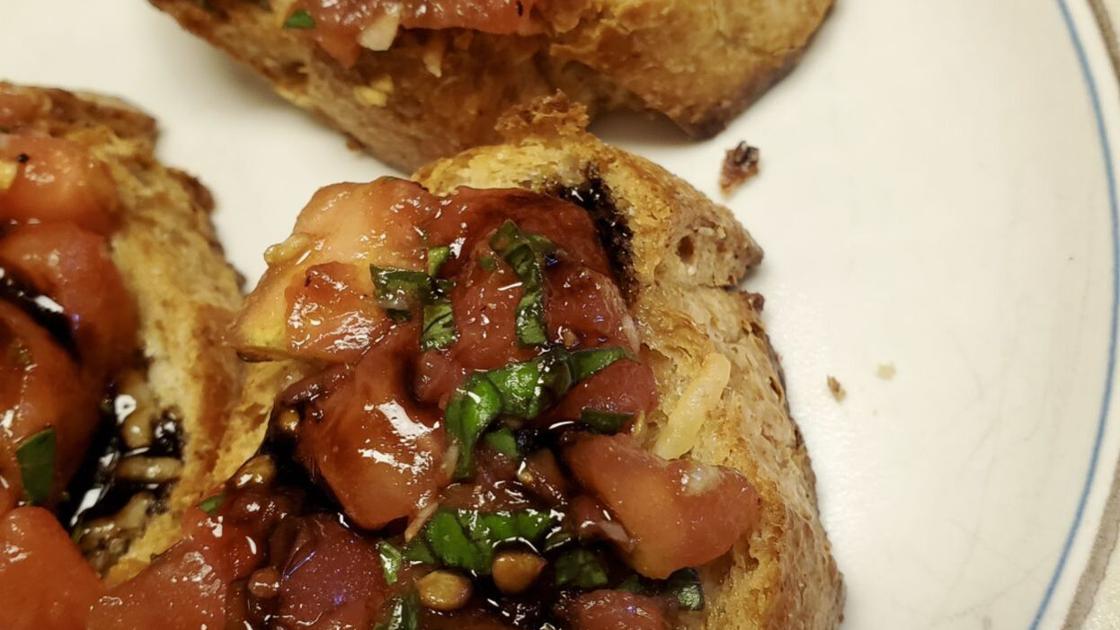
Bruschetta is a classic Italian appetizer that was originally used to made something delicious out of stale bread. The Italians would toast or grill the bread, rub it with garlic and top it with olive oil and salt. Wherever there was an abundance of tomatoes, bruschetta was served with chopped tomatoes, garlic, fresh basil or oregano and olive oil.

Unless specified otherwise, ordering bruschetta in an Italian restaurant often means this tomato version instead of the basic garlic-and-oil type.

Bruschetta

1 pound chopped tomatoes

3 tablespoons basil leaves, thinly sliced

1 ½ teaspoons garlic, finely minced

1 1/2 teaspoons balsamic vinegar

1 tablespoon olive oil

¼ teaspoon salt

black pepper to taste

balsamic glaze (optional)

Drain the juice off of the chopped tomatoes and toss them in a bowl with all the ingredients except balsamic glaze. Let sit for at least 15 minutes, then use as a topping on the bruschetta toast. Drizzle with balsamic glaze.

To make bruschetta toast:

½ of baguette

2 tablespoons olive oil

1 teaspoon garlic, finely minced

Parmesan cheese (shredded or grated) for topping

Mix the minced garlic with the olive oil and set aside.

Preheat oven to 400˚F and place the rack in the center of the oven. Cut toasts into 1/2” thick slices, slicing diagonally. Dip a brush into the olive oil garlic mixture and brush on both sides of the toast before placing on a baking sheet. Top with Parmesan cheese to taste.

Bake for around 5 minutes, or until the bottom of the toast is golden brown. Then broil on high heat for 1 to 2 minutes or until the edges are golden brown.

This next recipe is a Mexican classic. Because the red tomato, white onion, green chili and cilantro share the colors of the Mexican flag, it is also sometimes called flag sauce.

Pico Di Gallo

2 cups chopped tomatoes

1/3 cup green onions, finely chopped

1 — 2 tablespoons chopped jalapeño, seeds removed

2 tablespoons fresh cilantro, finely chopped

1 small clove garlic, finely minced

1/2 teaspoon salt

1/8 teaspoon pepper

Juice of 1 lime

1/8 teaspoon ground cumin

In a medium bowl, combine all ingredients until well combined. Tastes best if you let sit 15 minutes before serving. Most commonly served with tortilla chips.

Pico also makes an excellent topping for tacos, burrito fillings, quesadillas, and salads. Toss into eggs, mac and cheese, or grilled shrimp for added tanginess.

Great topping for a chicken or cheeseburger, along with melted cheddar and avocado. To make other dips, mix it into sour cream and garnish with chives, or mash up an avocado with a spoonful for a quick guacamole fix.

Margie Mansure, M.S., R.D. is a registered dietitian/nutritionist and extension agent with NC Cooperative Extension. She offers personalized classes to improve the health of citizens in Watauga County through worksites, schools and community groups. margie_mansure@ncsu.edu (828)264-3061.

Recommended for you

The Link Lonk


October 01, 2020 at 11:00AM
https://ift.tt/33gWAko

Serves you right: Easy dips utilizing seasonal tomatoes - Watauga Democrat

https://ift.tt/2VAxJ6V
Tomato

Wednesday, September 30, 2020

2020 Virtual Grape Stomp Is a Wrap! 10 Teams Take Top Honors & Auction Opens - wineindustryadvisor.com

ersa.indah.link
Advertisement

Celebrating the 27th Annual Calaveras Grape Stomp – the Oldest & Largest in California.  

[Murphys, CA, September 30, 2020—] On September 27th Stomp Teams from across California competed in the first of its kind, “Virtual Grape Stomp:Backyard Edition” during pandemic. The event took place online using Zoom Webinar from 11:00-3:30 with an Awards Ceremony at 4:30. Stomp Kits were picked up at the Wine Info Center in Murphys, CA and included a half wine barrel bucket, 25 pounds of Syrah grapes from event sponsor, Aloria Vineyards, Measuring Supplies, Tasting Passes & Surprises. Teams decorated their backyards, got costumes ready, practiced mad stomping skills and tested smartphones or tablets to join the Zoom Online Event. This year’s event was also a tribute to the late Steve Collum, lead Vineyard Manager in Calaveras Wine Country and owner of Vineyard Concepts. “Steve was a significant part of the Calaveras Wine Region and brought an innovative approach to vineyard management as he also designed his own vineyard cover – sun blocking solution”, comments Sandra Hess, Executive Director of the Calaveras Winegrape Alliance. “Steve helped many of our winery and growers members achieve their goals and this year’s Grape Sponsor, Aloria Vineyards received their sustainable vineyard certification thanks to Steve. He will always be remembered for his generous heart and care for this wine community”. 

About the Calaveras Grape Stomp:

This annual celebration of harvest in the Calaveras Wine Region usually takes place the first Saturday of October at Murphys Community Park where all of the Grape Stomp festivities happen including the Grape Stomp Auction and Costume Contest. Long-standing event MC, Doug Brown warms up the teams and crowd with his spirited commentary while his wife Joey oversees the auction tables and welcomes visitors. The Calaveras Winegrape Alliance sells wine by the glass and bottles as well as the annual event T-Shirt. The Feeney Park group hosts the Gold Rush Street Faire the same day and about 5000 people join this spirited event. In its 27th year, the event needed to go on, pandemic or not so the Calaveras Winegrape Alliance team took a unique approach by providing an online version called the “Backyard Edition”. 

How did the Virtual Grape Stomp Competition Work?

Teams of two met up on Zoom at their assigned heat time to stomp away for 3 minutes. They had another 2 minutes to extract as much group as possible from barrels into the measuring bucket provided. Teams were judged based on Skill, Style and Spirit. Sandra Hess, Executive Director of the Calaveras Winegrape Alliance invited Morgan Gace, CEO of the Calaveras Chamber of Commerce to help MC and judge the event. “We had a ball hosting the event online and chatting it up with such spirited stomp teams using Zoom event,” explains Hess. “The Calaveras Wine Region has been built by so many with prospecting and innovative spirits. We took a different approach to make this annual tradition happen and the community came alongside to see it through! Not only did we see many of our past stomp teams but also welcomed first-time stompers this year.” Video recordings of the virtual stomp and awards ceremony can be found on the Calaveras Winegrape Alliance Facebook page. 

About the Fundraising Event:

Event sponsor representatives from Bear Valley, Aloria Vineyards and Gold Electric welcomed stomp teams before each heat. The Grape Stomp Silent Auction went online this year and stompers had first access to the auction items this past Friday. Today, the auction opened up to the public HERE and runs through October 6th. This annual fundraising event benefits the CWA High School Scholarship Program, Parks and Community Organizations. “We hope to meet our commitments to many again this year even though we had to move away from the park and go online,” Hess explains. “We are grateful for the support of our business community and the auction page has incredible items including golf outings, river rafting, private winemaker tastings & tours, snow play adventures, a casino stay & play package, wine packs, gift baskets and gift certificates”. 

Who Won Top Honors in the Virtual Stomp Competition?
The Top 10 teams took home trophies, bragging rights and prizes. The competition was fierce this year as 35 stomp teams brought their best stomping skills. The top 3 teams in the “Skills” category (amount of juice collected) were:

  • Crushing It – 3:00 Heat – 5.8 Liters
  • Grape & Grain – 11:00 Heat – 5.75 Liters
  • Twin 2 Zin – 3:00 Heat – 5.25 Liters

In addition to the Skills category, teams received a maximum score of 10 points for the Spirit Category and 10 points for the Style Category. We saw teams create artwork and custom backdrops for their backyards and one team even wrote their own song for the Virtual Grape Stomp! Winery teams from Ironstone, Newsome Harlow, Brice Station, and Tanner Vineyards brought their pro stomping tips and for some it as a family affair as father and son team Scott and Sebastian Klann, “Newsome Harlow Degens” were joined by Scott’s daughter Sydney and her boyfriend Jason, “Ten by Ten Hicks” who sported Daisy Duke shorts. Returning champions, “The Mucker Truckers” created a float at their home to encourage honking as viewers passed by. “Team Tanner Vineyards” brought a “circular stomping pattern” to this year’s competition, taking high scores in the Style category. 

DRUM ROLL PLEASE….. The awards were presented to the following teams in each category:

  • 1st Place – Grape & Grain
  • 2nd Place – Crushing It
  • 3rd Place – Mucker Truckers
  • Finalist – Camp-bernet Counselors
  • Finalist – Wino Women
  • Finalist – Calaveras Crushers
  • Finalist – Stomp Wars: Rise of Vader
  • Finalist – Vino Las Vegas
  • Finalist – Twin to Zin
  • Finalist – Team Tanner Vineyards

About the Calaveras Winegrape Alliance:

Established in 1989, The Calaveras Winegrape Alliance (CWA) is a non-profit organization, dedicated to increasing the awareness of all wines produced in Calaveras County and/or produced from Calaveras grapes. CWA represents Calaveras County families – making some of the most exciting wines in California’s historic Sierra Foothills region. Annual CWA hosted events include the Vineyard Tour, Presidents’ Wine Weekend, Calaveras Grape Stomp and Fair Wine Pavilion exhibits and tastings.

Advertisement
The Link Lonk


September 30, 2020 at 08:43PM
https://ift.tt/3cJpzjX

2020 Virtual Grape Stomp Is a Wrap! 10 Teams Take Top Honors & Auction Opens - wineindustryadvisor.com

https://ift.tt/3eO3jWb
Grape

Featured Post

Dry conditions decrease Brazilian corn production estimate - World Grain

ersa.indah.link BRASILIA, BRAZIL — Delayed planting and continued dry conditions has dropped Brazil’s estimated corn production 11 million...

Popular Posts